Home > Blog

Blog

  • How to Reset a Tripped Breaker (And When to Call an Electrician)

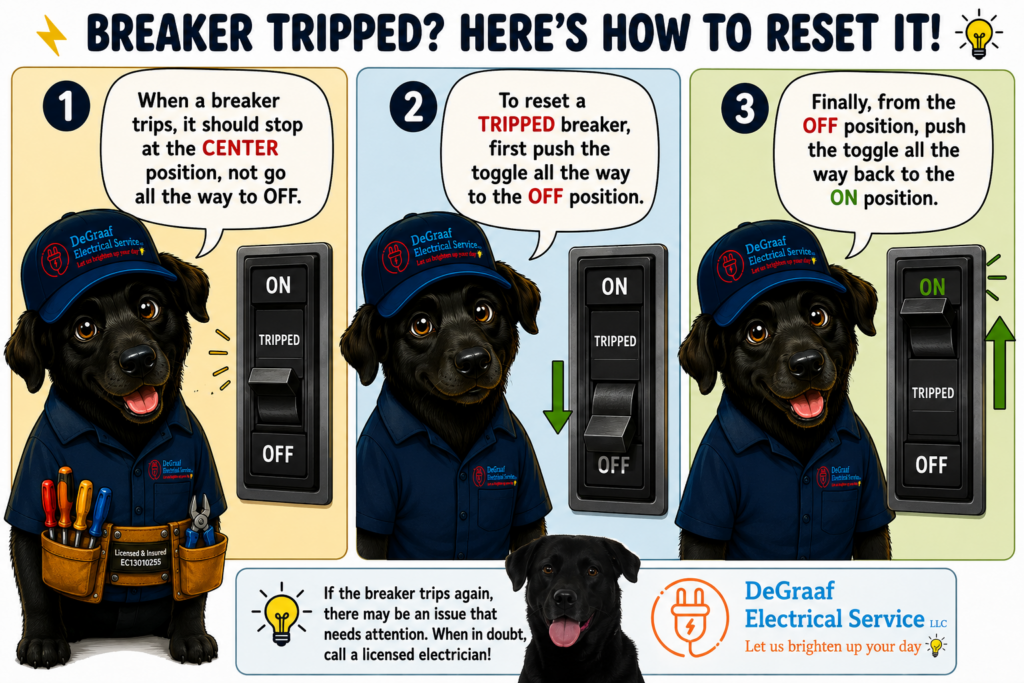
    Graphic explaining how to safely reset a tripped breaker with the company dog as a cartoon mascot.

    Last week, we shared a fun fact that surprises a lot of homeowners:

    Circuit breakers don’t actually protect your appliances—they protect the wiring inside your walls.

    That naturally leads to another question.

    If a breaker is protecting your home’s wiring, what should you do when it trips?

    The good news is that a tripped breaker doesn’t automatically mean there’s a serious electrical problem. In many cases, it simply means the breaker did exactly what it was designed to do.

    Knowing how to properly reset a breaker—and knowing when not to—can save you time while helping keep your home’s electrical system safe.


    First, What Does a Tripped Breaker Look Like?

    One of the biggest misconceptions is that a tripped breaker flips completely to the OFF position.

    Usually, it doesn’t.

    Instead, it stops somewhere between ON and OFF. Depending on your panel, it may only be slightly out of line with the other breakers, making it easy to overlook.

    If one area of your home suddenly loses power, it’s worth taking a careful look at your electrical panel before assuming something more serious has happened.


    How to Safely Reset a Tripped Breaker

    Step 1: Locate the Tripped Breaker

    Open your electrical panel and find the breaker that’s sitting between the ON and OFF positions.

    Sometimes it’s only slightly moved, so compare it with the breakers around it.


    Step 2: Push the Breaker Completely to OFF

    This is the step many people miss.

    Before the breaker can be turned back on, its internal mechanism has to be reset.

    Push the handle firmly all the way to the OFF position until you feel it click.

    If you try to move it directly from the middle position back to ON, it usually won’t reset.


    Step 3: Turn the Breaker Back ON

    Once you’ve fully reset it, move the breaker firmly back to the ON position.

    If everything is normal, power should return to the affected outlets, lights, or equipment.

    If the breaker stays on, there’s a good chance it simply tripped because the circuit was temporarily overloaded.


    Why Do Breakers Trip?

    As we mentioned in last week’s fun fact, a breaker’s job is to protect the wiring inside your home—not the appliance that’s plugged into it.

    Every circuit in your home is wired with conductors designed to safely carry a specific amount of electrical current.

    When too much current flows through those wires, they begin to heat up.

    If that continues, the insulation around the wiring can be damaged, creating a potential fire hazard.

    That’s where your breaker comes in.

    It constantly monitors the current flowing through the circuit. If it detects an overload, short circuit, or certain electrical faults, it shuts the power off before the wiring can overheat.

    In other words, a tripped breaker is often a sign that your electrical system is doing exactly what it was designed to do.


    Common Reasons a Breaker Trips

    There isn’t just one reason a breaker might trip.

    Some of the most common include:

    • Too many devices operating on the same circuit
    • A faulty appliance
    • Damaged extension cords
    • Loose electrical connections
    • Ground faults
    • Arc faults
    • Short circuits

    Sometimes the cause is obvious. Plugging in a space heater, microwave, and coffee maker on the same kitchen circuit, for example, can easily overload it.

    Other times, the cause isn’t nearly as obvious and requires troubleshooting to locate.


    What If the Breaker Trips Again?

    If the breaker immediately trips after you’ve reset it, resist the temptation to keep turning it back on.

    A breaker that trips repeatedly is usually telling you that something still isn’t right.

    Start by unplugging anything on that circuit that you can safely disconnect. Then try resetting the breaker again.

    If it now stays on, plug your devices back in one at a time until you find the one causing the problem.

    If the breaker continues tripping even with everything unplugged, the issue is likely somewhere within the circuit itself and should be inspected.

    Repeatedly forcing a breaker back on without addressing the cause can allow an electrical problem to get worse.

    If the breaker continues tripping even with everything unplugged, the issue is likely somewhere within the circuit itself and should be inspected.

    Whatever you do, don’t try to “solve” the problem by installing a larger breaker.

    A Bigger Breaker Is Not the Solution

    One mistake we occasionally hear about is the idea of replacing a tripping breaker with a larger one—for example, swapping a 20-amp breaker for a 30-amp breaker.

    This is not a safe fix and can create a serious fire hazard.

    Remember what we talked about earlier: the breaker’s job is to protect the wiring inside your walls.

    The wiring on a circuit is sized to safely carry a certain amount of current. The breaker is selected to match that wiring.

    If you install a larger breaker without also replacing the wiring with conductors designed for that higher amperage, the breaker may allow more current to flow than the wiring was designed to safely handle. Instead of tripping when it should, the wiring can overheat inside the walls before the breaker ever turns off the power.

    In other words, installing a larger breaker doesn’t solve the overload—it simply removes the protection the wiring was designed to have.

    If a breaker keeps tripping, the solution is to determine why it’s tripping. That could mean reducing the electrical load on the circuit, repairing a wiring problem, replacing a faulty breaker if it has failed, or installing a new dedicated circuit when the existing one simply isn’t designed to handle today’s electrical demand.


    A Quick “Did You Know?”

    💡 A breaker isn’t trying to save your microwave, television, coffee maker, or vacuum cleaner.

    Its primary purpose is to keep the wiring hidden behind your drywall from carrying more electrical current than it’s designed to handle.

    That’s why it’s important to pay attention when a breaker trips. It’s often giving you valuable information about what’s happening on that circuit.


    Older Homes Can Face Different Challenges

    If you live in an older home, repeated breaker trips don’t necessarily mean something is broken.

    Many homes were built long before today’s electrical demands.

    Large televisions, gaming systems, computers, air fryers, microwaves, refrigerators, portable air conditioners, EV chargers, and countless other modern conveniences all add electrical load that older homes weren’t originally designed to support.

    Sometimes the solution is simply redistributing devices across different circuits.

    Other times, installing a dedicated circuit or upgrading part of the electrical system provides a safer, more reliable long-term solution.

    When Should You Call an Electrician?

    It’s a good idea to have a breaker inspected if it:

    • Won’t reset
    • Trips immediately after being reset
    • Trips repeatedly over several days or weeks
    • Feels unusually warm
    • Makes buzzing or crackling sounds
    • Shows signs of burning or discoloration
    • Controls equipment that suddenly stopped working for no obvious reason

    Remember, the breaker itself often isn’t the problem.

    More often than not, it’s simply doing its job by protecting the wiring from a problem somewhere else in the circuit.

    We’re Happy to Help

    If you’ve tried resetting your breaker and it still won’t stay on—or you’re experiencing frequent breaker trips—we’re happy to help.

    At DeGraaf Electrical Service, we troubleshoot residential electrical problems every day throughout Pace, Milton, Pensacola, Gulf Breeze, Navarre, Cantonment, Molino, Jay, Pensacola Beach, and the surrounding areas.

    Whether it’s an overloaded circuit, a faulty breaker, or a wiring issue, we’ll identify the cause and explain your options before any work begins.

    Need a free estimate?

    📞 Call (850) 995-4227

    Licensed (EC13010255) & Insured

    Frequently Asked Questions About Tripped Breakers

    Why did my breaker trip?

    A breaker trips when it detects a condition that could damage the wiring on that circuit. Common causes include overloaded circuits, faulty appliances, short circuits, ground faults, or arc faults. In many cases, the breaker is doing exactly what it was designed to do—protecting your home’s electrical wiring.


    Why won’t my breaker reset?

    The most common reason is that the breaker wasn’t pushed completely to the OFF position before being turned back ON.

    If you’ve done that and it still won’t reset, unplug everything on that circuit and try again. If the breaker continues to trip or won’t stay on, there may be a wiring problem, a faulty appliance, or another electrical issue that should be inspected.


    Is it normal for a breaker to trip occasionally?

    Yes. A breaker can trip occasionally if a circuit becomes temporarily overloaded.

    However, if the same breaker trips repeatedly, it’s a sign that something needs attention. Repeated trips should not be ignored.


    Can I replace a 20-amp breaker with a 30-amp breaker?

    No.

    Simply installing a larger breaker is not a safe solution to an overloaded circuit.

    Breakers are selected to match the size of the wiring they’re protecting. Installing a larger breaker without upgrading the wiring can allow the wires to overheat before the breaker trips, creating a potential fire hazard.

    If a breaker keeps tripping, the cause should be identified and corrected rather than bypassing the protection.


    Why does my breaker trip when I use my microwave, air fryer, or space heater?

    These appliances draw a significant amount of electrical current.

    If multiple high-power appliances are operating on the same circuit, the total electrical load may exceed what the circuit is designed to handle, causing the breaker to trip.

    Sometimes redistributing appliances solves the problem. In other cases, installing a dedicated circuit may be the best long-term solution.


    Can a breaker wear out?

    Yes.

    Although breakers are designed to last for many years, they can eventually fail due to age, repeated tripping, corrosion, or internal mechanical wear.

    A licensed electrician can determine whether the breaker itself has failed or whether another issue is causing the problem.


    Is it safe to keep resetting a breaker?

    If a breaker trips once because of a temporary overload, resetting it is usually fine.

    If it trips repeatedly, however, continually resetting it without identifying the cause is not recommended. The breaker is telling you there’s a problem that needs to be addressed.


  • Can a Handyman Legally Perform Electrical Work in Florida?

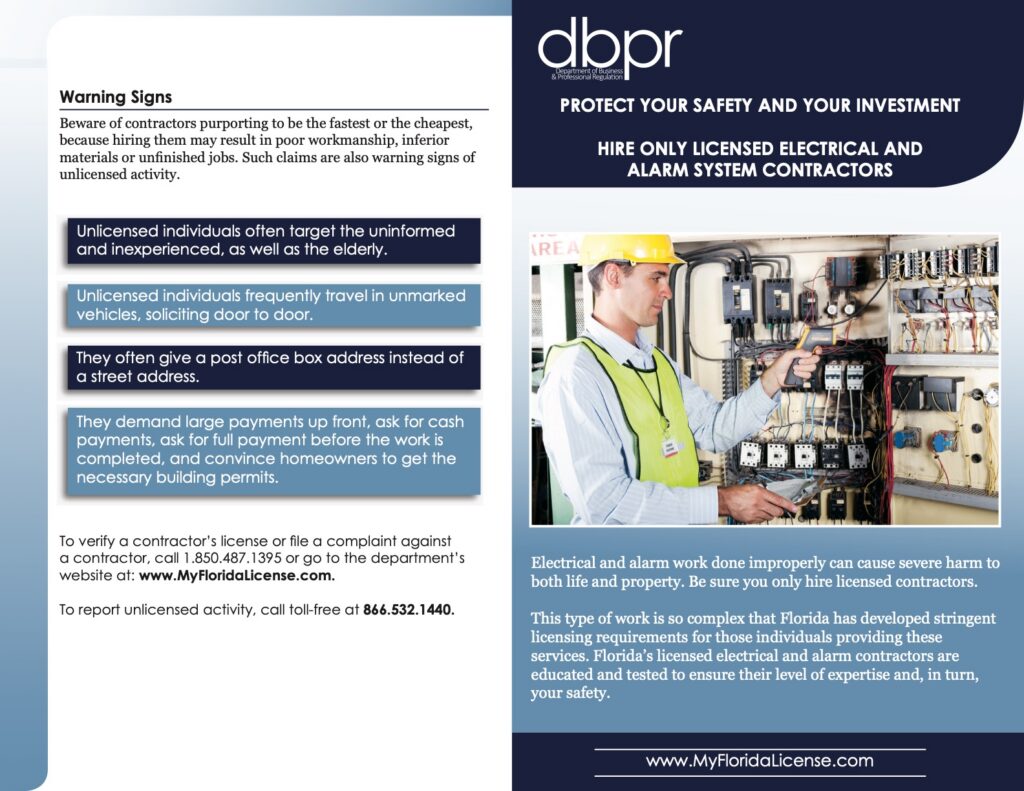
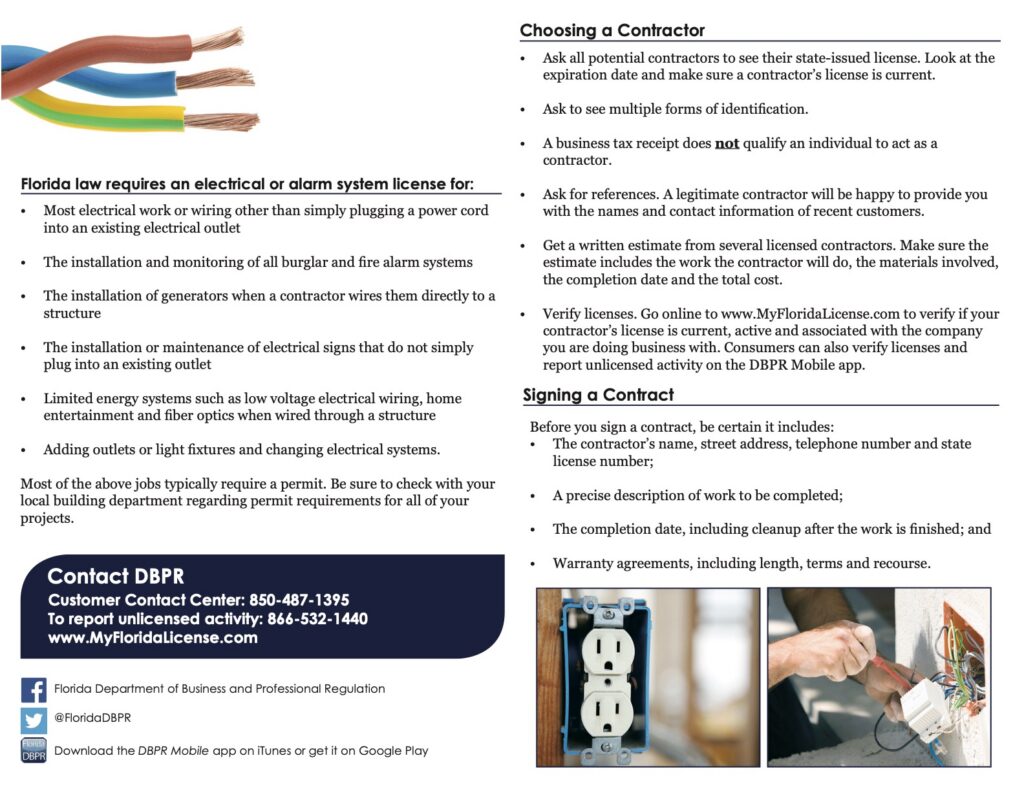
    Many homeowners are surprised to learn that electrical work in Florida is heavily regulated. While a handyman may be able to perform certain maintenance and repair tasks, electrical contracting is generally regulated by the Florida Department of Business and Professional Regulation (DBPR) and the Electrical Contractors’ Licensing Board.

    When homeowners need a ceiling fan installed, a light fixture replaced, or a new receptacle added, it can be tempting to hire the least expensive person available. However, electrical work involves life safety systems and carries risks that extend beyond the immediate project.

    Why Does Florida Require Electrical Licensing?

    Florida requires electrical contractors to be licensed because electrical systems have the potential to cause injury, property damage, and fires when improperly installed.

    The purpose of contractor licensing is to help protect the health, safety, and welfare of Florida residents by establishing minimum standards for education, experience, testing, insurance, and continuing education. State law requires electrical contracting to be performed by properly licensed electrical contractors unless a specific exemption applies.

    Becoming a Licensed Electrical Contractor Is Not Simple

    Many homeowners never see the amount of work required to become and remain a licensed electrical contractor.

    Licensed electrical contractors must meet state requirements that can include documented experience, examinations, application fees, insurance requirements, license renewal fees, and continuing education requirements. Florida-certified electrical contractors must also complete continuing education to maintain active licensure.

    In addition, licensed contractors are required to maintain insurance coverage required by the state, including liability insurance and workers’ compensation coverage or approved exemptions where applicable. Failure to maintain required coverage can result in disciplinary action or loss of licensure.

    Why Does This Matter to Homeowners?

    Hiring properly licensed professionals helps provide accountability.

    Licensed electrical contractors operate under state regulations and licensing requirements. Their work is subject to permitting requirements where applicable, inspections when required, and professional standards established by Florida law.

    When unlicensed individuals perform electrical work, homeowners may not have the same protections, accountability, or verification of qualifications.

    What About “Simple” Electrical Work?

    Many homeowners assume replacing a light fixture or installing a ceiling fan is simple.

    However, even seemingly minor projects can involve:

    • Existing wiring defects
    • Improper grounding
    • Overloaded circuits
    • Damaged conductors
    • Unsafe connections
    • Code compliance issues

    In many cases, what appears to be a straightforward fixture replacement becomes an opportunity to identify and correct existing safety concerns.

    The Hidden Cost of Unlicensed Work

    Choosing an unlicensed individual may appear less expensive initially.

    However, improperly installed electrical work can lead to:

    • Additional repair costs
    • Failed inspections
    • Project delays
    • Electrical hazards
    • Property damage
    • Safety concerns

    Electrical systems are not an area where shortcuts typically save money over the long term.

    Unlicensed Electrical Work Often Increases After Hurricanes

    Following hurricanes and major storms, homeowners are often faced with urgent electrical repairs. Damaged service equipment, water intrusion, damaged meter bases, broken weatherheads, disconnected conductors, and other storm-related electrical issues frequently require prompt attention.

    Unfortunately, storm recovery periods can also attract unlicensed individuals offering electrical services. Homeowners may be approached by people claiming they can perform repairs quickly or at a lower cost than licensed contractors.

    In Florida, electrical work generally must be performed by properly licensed electrical contractors unless a specific exemption applies. Hiring an unlicensed individual to perform electrical repairs after a storm can create additional concerns beyond the quality of the work itself.

    Improper repairs may result in failed inspections, delayed utility reconnection, code violations, additional repair costs, and ongoing safety hazards. In some situations, unpermitted or improperly performed work may need to be removed and corrected before electrical service can be restored or approved.

    Storm recovery is often stressful, and homeowners understandably want power restored as quickly as possible. However, verifying that an electrical contractor is properly licensed can help reduce the risk of additional problems during an already difficult situation.

    Before hiring anyone to perform storm-related electrical repairs, homeowners should verify that the contractor holds the appropriate Florida electrical license and carries the required insurance coverage.

    Supporting Licensed Professionals

    Licensed contractors invest significant time and money into maintaining legal compliance.

    This includes:

    • State licensing fees
    • Continuing education
    • Insurance coverage
    • Permit compliance
    • Code training
    • Business licensing
    • Vehicle expenses
    • Tools and equipment

    These requirements exist to help ensure that electrical work is performed safely and professionally.

    Licensed Electrical Services in Pace, FL

    DeGraaf Electrical Service, LLC operates as a licensed and insured electrical contractor under Florida Electrical Contractor License #EC13010255.

    We provide residential and light commercial electrical services throughout Pace, Milton, Pensacola, Gulf Breeze, Navarre, Cantonment, and surrounding Northwest Florida communities.

    If you need electrical repairs, lighting installation, ceiling fan installation, troubleshooting, panel upgrades, dedicated circuits, or other electrical services, contact DeGraaf Electrical Service, LLC to schedule a free estimate.

    FAQ

    Can a handyman legally perform electrical work in Florida?

    Florida law requires electrical contracting work to be performed by properly licensed electrical contractors unless a specific exemption applies. Homeowners should verify licensing requirements before hiring someone to perform electrical work.

    Why do licensed electrical contractors cost more than unlicensed workers?

    Licensed contractors must maintain state licensing, insurance, continuing education, business expenses, and regulatory compliance requirements that unlicensed individuals may not carry.

    Why is licensing important for electrical work?

    Electrical systems affect life safety and property protection. Licensing helps establish minimum standards for experience, testing, insurance, and continuing education to help protect consumers.

    Can unlicensed electrical work create problems after a hurricane?

    Yes. Improperly performed electrical repairs may result in failed inspections, delayed utility reconnection, code violations, additional repair costs, and ongoing safety hazards. Homeowners should verify that anyone performing electrical repairs after a storm is properly licensed for the work being performed.

  • Why More Homeowners Are Choosing Hardwired Network Connections Over Wi-Fi

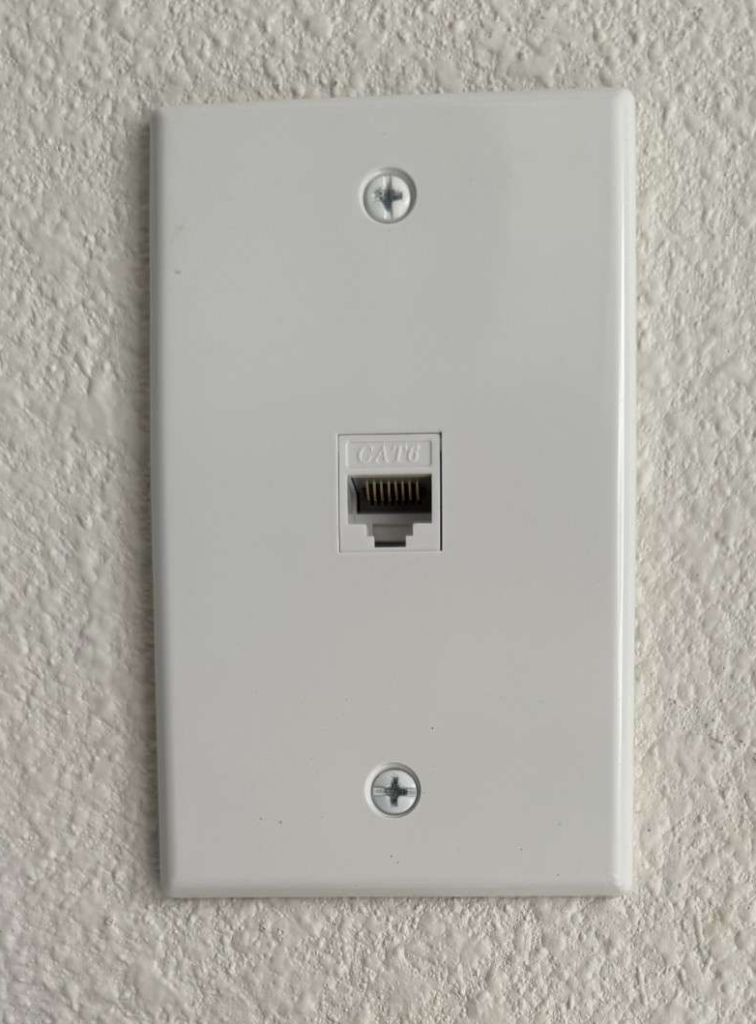
    Cat6 ethernet cable wall drop.

    Wireless internet has become a normal part of everyday life, but many homeowners are surprised to learn that Wi-Fi is not always the most reliable solution for every device. As internet-connected devices become more common, hardwired network connections are making a comeback in homes and businesses throughout Northwest Florida.

    Whether you work from home, stream television, play online games, or rely on smart home technology, a properly installed network wiring system can help improve performance and reliability.

    What Is Hardwired Network Wiring?

    Hardwired network wiring uses physical ethernet cable, typically Cat6 cable, to connect devices directly to a network. Instead of relying solely on wireless signals, devices communicate through dedicated cabling installed throughout the building.

    Common applications include:

    • Home office computers
    • Gaming systems
    • Streaming devices
    • Smart televisions
    • Network switches
    • Wireless access points
    • Security and communication equipment

    Because the connection travels through cable rather than through the air, hardwired systems are often less affected by interference and signal loss.

    Why Can Ethernet Be More Reliable Than Wi-Fi?

    Wi-Fi signals must travel through walls, furniture, appliances, and other obstacles. As distance and interference increase, signal quality can decrease.

    A hardwired ethernet connection provides a direct path between the device and the network. This often results in:

    • More consistent speeds
    • Lower latency
    • Reduced connection interruptions
    • Improved video conferencing performance
    • Better online gaming performance
    • More reliable streaming

    For many homeowners, Wi-Fi remains useful for phones and tablets while ethernet wiring supports devices that benefit from maximum reliability.

    Planning a Low Voltage Wiring Installation

    Every property is different. The location of equipment, internet service entry points, and device placement all affect how a low voltage system should be designed.

    Before installation, factors such as cable routing, wall access, attic access, and equipment locations should be evaluated. Proper planning helps support long-term performance while keeping wiring organized and minimizing visible cables.

    Low voltage systems can often be installed during remodeling projects, but they can also be added to existing homes and businesses.

    More Than Just Ethernet

    Low voltage wiring systems often include additional communication and entertainment cabling.

    Examples include:

    • Coaxial cable for television systems
    • Audio wiring for distributed sound systems
    • Structured wiring panels
    • Network equipment connections
    • Communication cabling

    Combining multiple low voltage systems into a single organized installation can make future upgrades and maintenance easier.

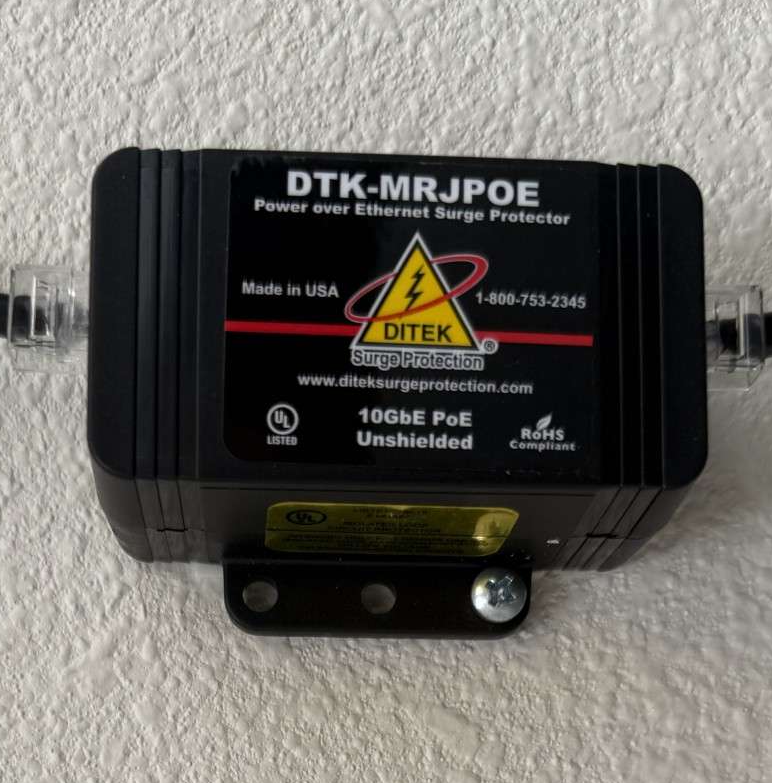
    Can Surge Protection Help Protect Network Equipment?

    Many homeowners think about surge protection for appliances and televisions but overlook networking equipment.

    Voltage spikes can damage modems, routers, switches, and other connected electronics. Depending on the system layout, surge protection may be recommended to help reduce the risk of damage to connected network equipment and communication systems.

    Can Wiring Be Installed in Detached Buildings?

    In many cases, yes.

    Low voltage wiring can often be routed to detached garages, workshops, outdoor entertainment areas, and similar structures. Proper routing methods and protection from weather exposure help support reliable long-term performance.

    Because every property is different, installation requirements vary depending on distance, routing options, and equipment needs.

    Professional Low Voltage Wiring Installation in Pace, FL

    DeGraaf Electrical Service, LLC provides low voltage wiring installation, Cat6 ethernet cabling, coaxial cable installation, and audio wiring services throughout Pace, Milton, Pensacola, Gulf Breeze, Navarre, Cantonment, and surrounding Northwest Florida communities.

    If you are looking for a more reliable network connection or need low voltage wiring for a home or business project, contact DeGraaf Electrical Service, LLC to schedule a free estimate.

    FAQ

    Can ethernet wiring provide a more reliable connection than Wi-Fi?

    Yes. Hardwired ethernet connections often provide more stable and consistent performance than wireless connections alone. Ethernet cabling can help improve reliability for streaming, gaming, video conferencing, home offices, and other devices that benefit from a consistent network connection.

    Can surge protection help protect connected network equipment?

    Yes. Surge protection can help reduce the risk of damage to connected network equipment caused by voltage spikes and electrical disturbances. Depending on the system layout, surge protection may be recommended for network equipment, communication lines, and connected electronic devices.

    Can wiring be routed to detached buildings or outdoor spaces?

    Yes. Low voltage wiring can often be routed to detached buildings, outdoor entertainment areas, workshops, and similar spaces depending on the property layout and installation requirements. Proper routing methods and protection from weather exposure help support reliable long-term performance.

  • Portable Generator Connections & Hurricane Season Preparation

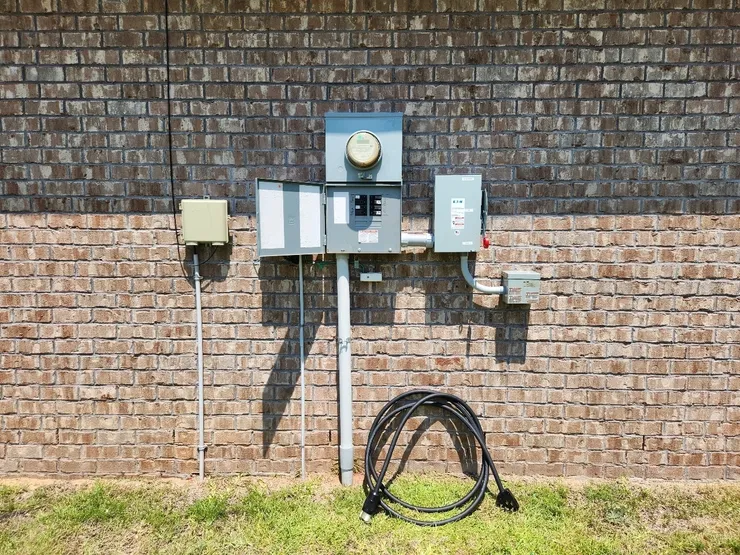
    Manual transfer switch portable generator connection.

    Portable Generator Connections for Hurricane Season

    Hurricane season brings an increased risk of power outages throughout Northwest Florida. Strong storms, heavy rain, and high winds can interrupt utility service for hours or even days. As a result, many homeowners begin preparing backup power options before severe weather arrives. DeGraaf Electrical Service, LLC provides portable generator connections in Pace, FL, helping homeowners install safe and reliable generator connection systems for temporary backup power during outages.

    Why Portable Generator Connections Matter During Hurricane Season

    Portable generators should never be connected directly to a home’s electrical system without proper equipment and installation. Unsafe connections can create serious hazards, including backfeeding electricity into utility lines, damaging electrical equipment, or creating fire and shock risks. Properly installed generator interlocks and manual transfer switches help isolate the home from utility power and allow selected circuits to operate safely from generator power during an outage.

    Generator Interlocks & Manual Transfer Switches

    A generator interlock is installed at the electrical panel and helps prevent the generator breaker and the main utility breaker from operating at the same time. Manual transfer switches provide a separate switching method that allows selected circuits to safely transfer between utility power and generator power. The best option depends on the layout of the electrical system, the type of generator being used, and the circuits the homeowner wants to operate during an outage.

    Planning Safe Backup Power for Your Home

    Many homeowners use portable generators to help power refrigerators, freezers, lighting, internet equipment, medical devices, sump pumps, or limited air conditioning systems during temporary outages. However, every generator has operating limits. Proper planning helps determine which circuits can safely operate within the generator’s available capacity.

    Each installation starts with a review of the home’s electrical system, panel configuration, and generator connection location. We evaluate the system layout and recommend a solution that supports safe operation and reliable performance during emergency situations. In some cases, additional electrical updates may also be recommended depending on the condition and capacity of the existing system.

    DeGraaf Electrical Service, LLC installs generator interlocks and manual transfer switches for portable generators. We do not maintain or repair generators. Our team operates as a licensed and insured electrical contractor under Florida Electrical Contractor License #EC13010255 and completes all work in compliance with applicable electrical codes and safety standards.

    Based in Pace, FL, we serve homeowners throughout Pace, Milton, Pensacola, Gulf Breeze, Navarre, Cantonment, and surrounding Northwest Florida areas.

    If you are preparing for hurricane season or want to install a portable generator connection for backup power, contact DeGraaf Electrical Service, LLC to schedule a free estimate.


    FAQ

    Can a portable generator power my entire home?

    Some portable generators can power a larger portion of the home than others, but generator capacity varies significantly depending on the model and electrical demand. Most portable generators are used to operate selected circuits and essential equipment during temporary outages. Proper planning helps determine which circuits can safely operate within the generator’s available capacity.

    What is the difference between a generator interlock and a manual transfer switch?

    A generator interlock is installed at the electrical panel and helps prevent generator power and utility power from being connected at the same time. A manual transfer switch allows selected circuits to switch between utility power and generator power through a separate switching mechanism. The best option depends on the electrical system layout and backup power needs.

    Can a portable generator be connected directly to a home outlet?

    No. Portable generators should not be connected directly to household outlets or electrical systems without proper transfer equipment and installation. Improper connections can create serious safety hazards, including backfeeding utility lines and damaging electrical equipment.

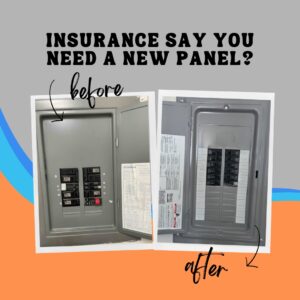
  • ⚡ Electrical Panels That May Not Be Covered by Insurance in Florida

    Homeowners in Pace, FL and surrounding areas often learn about electrical panel issues during a home inspection. In many cases, older or discontinued panel brands can create challenges when obtaining or maintaining homeowners insurance. While insurance companies do not always publish a single official list, inspection reports and underwriting feedback often flag certain manufacturers as higher risk.

    At DeGraaf Electrical Service, LLC, we frequently see concerns related to specific panel brands during inspections and service calls throughout Pace, Milton, Pensacola, Gulf Breeze, Navarre, Cantonment, and Crestview.

    🔍 Which electrical panels may cause insurance issues?

    Based on field experience and inspection trends, the following panel manufacturers are commonly flagged:

    • Challenger
    • Sylvania (including Zinsco-type designs)
    • Zinsco
    • Federal Pacific Electric (FPE)
    • Some Murray panels
    • Some Bryant panels

    These panels may raise concerns due to age, known performance issues, or outdated design standards. However, it is important to understand that insurance decisions vary by company and policy. Not every panel will automatically be rejected, but these brands often receive additional scrutiny.

    ⚠️ Why are these panels a concern?

    Older electrical panels can develop problems over time. For example:

    • Breakers may fail to trip properly
    • Internal components may wear out or overheat
    • The panel may not support modern electrical loads

    As a result, these conditions can increase safety risks and make insurers more cautious when evaluating coverage.

    🧠 What should homeowners do?

    If your home has one of these panels, start with a professional evaluation. A licensed electrician can assess the condition of the panel and determine whether it still operates safely.

    In some cases, the panel may continue to function properly. However, in other situations, an electrical panel upgrade may be recommended to improve safety, reliability, and insurance eligibility.

    ❓ Can you still get insurance with these panels?

    It depends on the insurance provider. Some companies may:

    • Deny coverage
    • Require replacement before binding a policy
    • Offer coverage with conditions or limitations

    Because requirements vary, homeowners should confirm directly with their insurance provider.

    🏠 How this affects buyers and homeowners

    These panels often come up during:

    • Home purchases
    • Insurance renewals
    • Property inspections

    Addressing the issue early can help prevent delays, unexpected costs, or coverage problems.

    🔧 Local electrical panel upgrades in Pace, FL

    DeGraaf Electrical Service, LLC provides electrical panel evaluations and upgrades throughout Pace, Milton, Pensacola, Gulf Breeze, Navarre, Cantonment, Crestview, and surrounding areas. We focus on safe, code-compliant installations that support modern electrical demands.

    If you have questions about your panel or need a professional opinion, contact us to schedule a free estimate.

    Which electrical panels are not covered by insurance?

    Some insurers flag panels such as Federal Pacific, Zinsco, Challenger, and certain Sylvania, Murray, and Bryant panels due to safety or reliability concerns.

    Why do insurance companies reject certain panels?

    Older panels may fail to trip breakers properly or may not meet modern safety standards, which increases risk.

    Do I need to replace my electrical panel to get insurance?

    Not always. However, some insurers may require replacement or inspection before approving coverage.

    How do I know if my panel needs to be replaced?

    A licensed electrician can evaluate your panel and recommend whether repair or replacement is appropriate.

  • Apprentice Appreciation Week: The Path to Becoming a Licensed Electrician in Florida

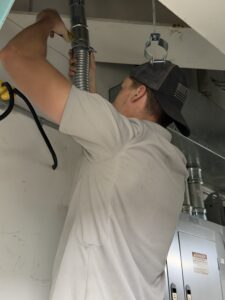
    Electrical apprentice working on a job site.

    During Apprentice Appreciation Week, we recognize the time, effort, and commitment required to build a career in the electrical trade. At DeGraaf Electrical Service, LLC, we work with apprentices who are actively training to become licensed electricians in Pace, FL and throughout the surrounding areas.

    Becoming an electrical apprentice requires both classroom education (we partner with Locklin Technical College in Milton, FL) and hands-on experience. Most apprentices complete structured training programs while working under licensed electricians. These programs include electrical theory, safety practices, and code requirements. At the same time, apprentices gain real-world experience by assisting with installations, repairs, and electrical troubleshooting. This combination builds the foundation needed to work safely and effectively.

    After completing apprenticeship training, the next step involves qualifying for a journeyman-level role. In Florida, this typically requires several years of documented work experience. Electricians must understand electrical systems, installation methods, and the National Electrical Code. For example, they may assist with installing circuits for EV charger installation or evaluating systems that require an electrical panel upgrade. Although Florida does not issue a statewide journeyman license, many jurisdictions recognize this level of experience.

    From there, electricians may pursue a contractor license. In Florida, becoming a licensed electrical contractor requires meeting experience requirements, passing a state exam, and applying through the Florida Department of Business and Professional Regulation. Licensed contractors must carry insurance and follow strict regulations.

    Maintaining a license requires ongoing effort. Electricians complete continuing education, stay current with code updates, and follow safety standards. In addition, some choose to operate their own business, while others work under a licensed contractor.

    Apprentices train for all of these responsibilities. They are not only learning the trade, but also preparing for long-term careers.

    At DeGraaf Electrical Service, LLC, we appreciate the dedication apprentices bring to the field. Their work supports safe and reliable electrical systems throughout Pace, Milton, Pensacola, and surrounding areas.

    How long does it take to become an electrician in Florida?

    Most electricians complete 4–5 years of apprenticeship training that combines classroom education and hands-on experience.

    Do you need a license to be an electrician in Florida?

    Yes. Electricians must work under a licensed contractor or obtain a contractor license through the Florida Department of Business and Professional Regulation.

    What does an electrical apprentice do?

    Apprentices assist with installations, repairs, and troubleshooting while learning electrical theory, safety practices, and code requirements.

    What comes after an apprenticeship?

    After gaining experience, electricians may work at a journeyman level and eventually apply for a contractor license.

Google business rating graphic.
BBB accredited business graphic.